
Navigating Adult Anime: Themes, Craft, and Community
A thoughtful guide to adult anime, exploring storytelling, art styles, and the culture surrounding hentai, ecchi, and NSFW works with responsible viewing in mind.
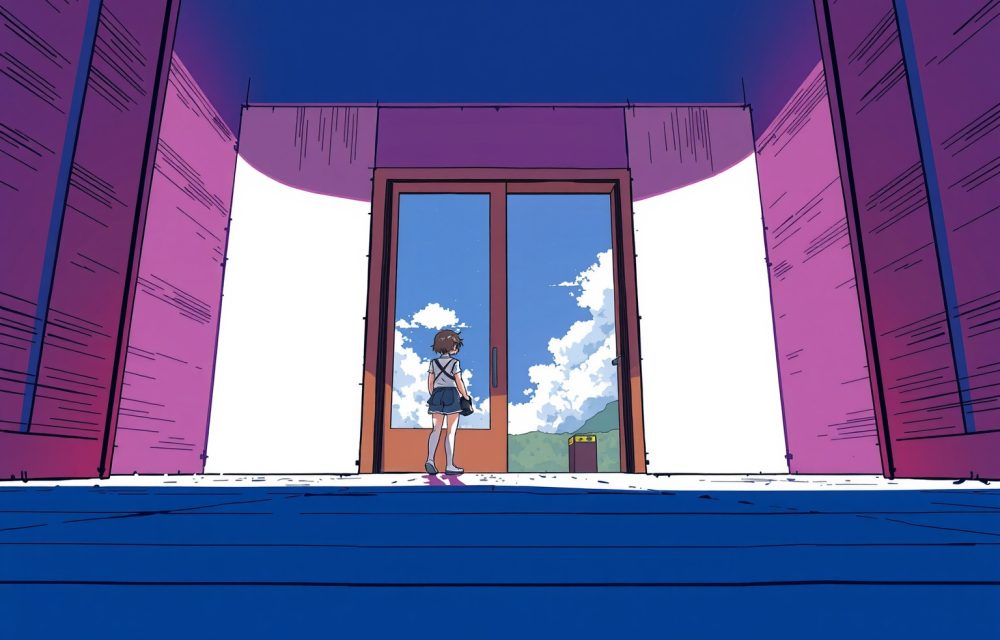
Opening perspectives on adult anime and boundaries
Adult anime has evolved from niche broadcasts to a diverse ecosystem where creators push boundaries and audiences seek more nuanced storytelling. The conversation extends beyond explicit scenes to character psychology, world-building, and the ethics of consent within fantastical settings. Read More as you begin this journey, you will encounter genres that blend romance, fantasy, and mature humor into immersive experiences that demand critical engagement and personal boundaries become essential in a shared space.
Understanding adult anime starts with acknowledging its broad spectrum—from sanitized ecchi to heavyweight hentai—and recognizing that the label alone does not determine quality. Fans often debate art direction, pacing, and narrative restraint, seeking works that respect viewer intelligence while offering provocative, thought-provoking moments. This guide aims to map out trends, craft choices, and considerations for responsible consumption in a rapidly expanding field.
Artistic craft and visual storytelling in hentai and ecchi
The visual language of adult anime ranges from stylized fantasy to grounded, almost documentary-like depictions, each serving different storytelling goals. Animators experiment with color palettes, line weight, and lighting to convey mood, tension, and character intention without relying solely on explicitness. Skillful framing, camera work, and dynamic action sequences can elevate scenes into meaningful character moments rather than mere spectacle.
Beyond explicit content, many titles invest in composition, symbolism, and world-building, weaving motifs that reward repeated viewing. Designers balance fan service with narrative pacing, so scenes feel earned rather than gratuitous. This attention to craft helps the medium gain credibility within broader animation communities and invites discussions about technique and restraint as part of the artistic process.
Genre spectrum: from ecchi to explicit hentai
Ecchi often serves as a bridge for new viewers, delivering risqué moments while centering humor and romantic tension. It can function as lighthearted palate cleanser or stepping stone toward more complex storytelling, depending on the writer’s ambitions. The best ecchi titles balance playful tease with genuine character development, avoiding repetitive gags that erode emotional depth.
Hentai, when treated as an art form rather than a mere catalog of actions, challenges creators to craft consent, motivation, and consequence within explicit scenes. Some works foreground consent-based dynamics, ethical boundaries, and emotional consequences, encouraging mature discourse among fans. The genre’s complexity varies widely, and discerning viewers benefit from researching creators, studios, and the intended audience for each project.
Ethics, consent, and viewer responsibility
Engagement with adult anime invites reflection on ethical considerations—how consent is depicted, the portrayal of power dynamics, and the potential impact on real-world attitudes. Viewers should approach material with critical thinking, recognizing that fantasy does not exempt creators from accountability or fans from evaluating content carefully. Establishing personal boundaries and using content warnings can help maintain a healthy viewing practice.
Communities discussing hentai and related works often share guidelines about age verification, respectful discourse, and the responsible consumption of mature content. A healthy culture emphasizes consent, avoidance of exploitative tropes, and awareness of the potential for normalization of harmful stereotypes. By foregrounding ethics, fans can contribute to more thoughtful conversations and higher-quality productions in the long run.
Industry dynamics: studios, creators, and distribution
Production in adult anime reflects a mix of independent studios and larger facilities exploring risky, boundary-pushing material. Market pressures, licensing deals, and digital distribution shape what gets produced and how it reaches audiences. Some studios prioritize serialization, while others release standalone OVA projects that experiment with format, length, and narrative risk.
Streaming platforms and fan-run ecosystems influence how content is curated, promoted, and discussed. Accessibility challenges and regional censorship policies affect audience makeup and reception. Understanding these dynamics helps viewers navigate which titles align with their interests and values, while also supporting creators who pursue responsible and innovative storytelling within mature genres.
Character depth and relationship dynamics
Great adult anime often foregrounds character arcs that sustain interest beyond explicit scenes. Protagonists may confront personal insecurities, navigate complicated relationships, or confront moral dilemmas that echo real-life situations. When writers invest in backstory and growth, the adult moments gain significance, letting audiences experience emotional resonance alongside erotic content.
Relationships in mature anime frequently explore consent, communication, and evolving power dynamics. Dialogues about boundaries, trust, and mutual satisfaction can add layers of realism that surprise and engage. This balance between erotic elements and relational complexity distinguishes high-quality works from purely sensational entertainment.
Audience voices: communities, critique, and fan works
Fan communities thrive on recommendations, analyses, and speculative discussions about themes, world-building, and character motivations. User reviews, discussion threads, and fan art contribute to a vibrant dialogue that can broaden perspectives and reveal hidden nuances. Constructive critique helps elevate the conversation beyond surface-level responses and toward appreciation of craft and intent.
Fans also create transformative works—parodies, explorations of alternate timelines, and art that recontextualizes mature scenes in thoughtful ways. The best fan contributions respect creators’ rights, avoid spreading harmful tropes, and celebrate storytelling ingenuity. Participating in thoughtful communities can deepen understanding of the genre’s possibilities while maintaining a respectful, inclusive environment.