Navigating Adult Anime: Themes, Styles, and Cultural Nuances
A thoughtful look at adult anime, exploring its genres, artistic directions, and the cultural conversation surrounding hentai, ecchi, and NSFW storytelling.
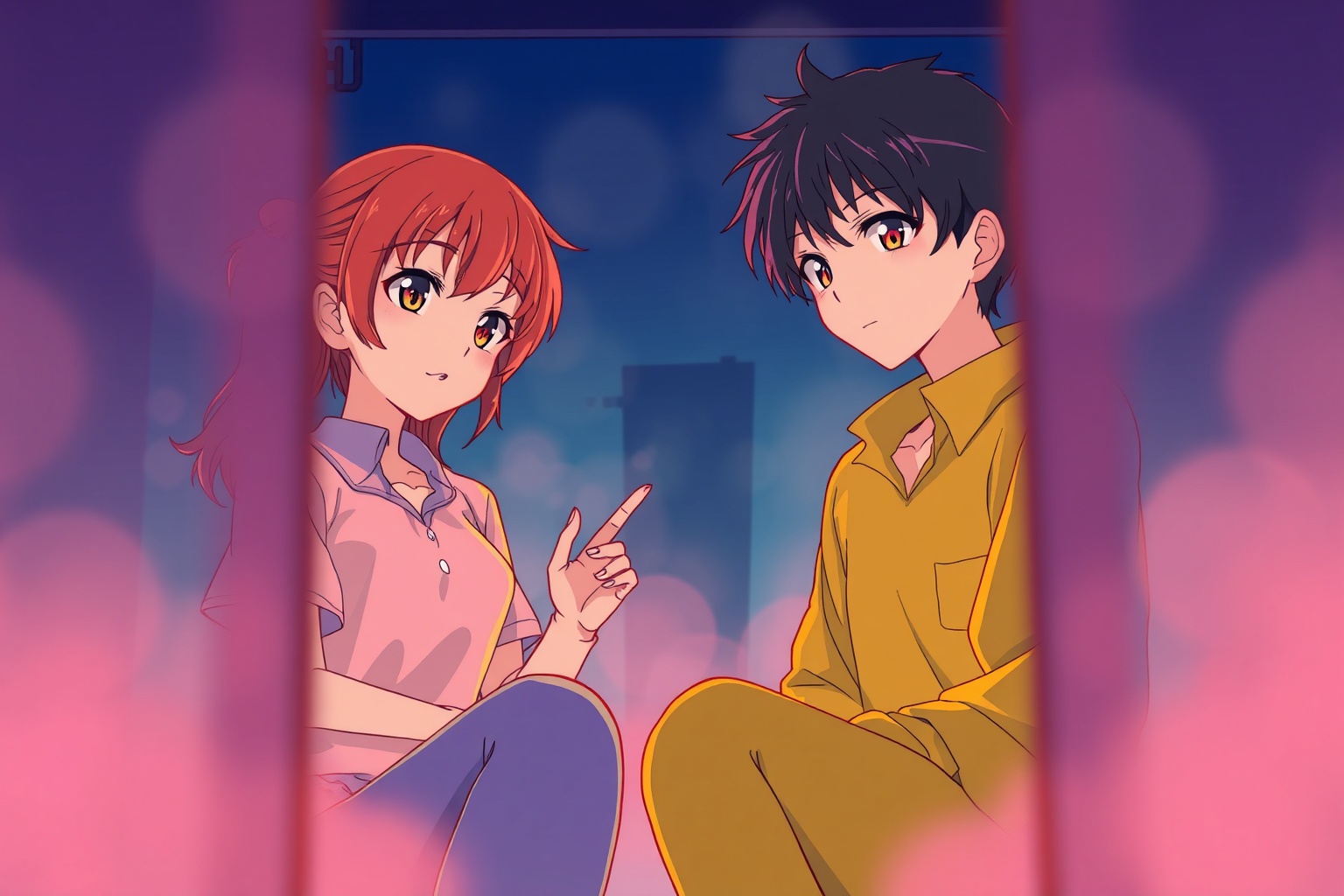
Introduction to Adult Anime and Its Diverse Landscape
Adult anime encompasses a broad spectrum of storytelling that widens the conventional bounds of animation. From character-driven dramas to bold fantasy erotica, the field invites viewers to explore mature themes through visuals, sound, and pacing. Raw Hitomi offers a curated glimpse into this space, illustrating how adult anime can blend artistry with provocative narratives while challenging audience expectations and ethical considerations that accompany explicit content.
Within this landscape, genres like hentai, ecchi, and other NSFW formats emerge with distinct tonalities and audience targets. Some works prioritize explicit scenes as a central driver, while others use adult elements to deepen character arcs or to examine power dynamics, consent, and vulnerability. The result is a nuanced ecosystem where creators experiment with style, pacing, and storytelling constraints.
Historical Context and Evolution of Adult Themes
Adult themes in Japanese animation trace back to early experimentation with mature topics, gradually expanding as publishing, broadcasting, and distribution evolved. Across decades, artists found ways to push boundaries while negotiating censorship, audience expectations, and market demand. This historical arc reveals how censorship laws, cultural norms, and fan communities shaped what could be portrayed on screen and how audiences engaged with it.
As technology advanced, streaming platforms and fan-sourced archives accelerated access to diverse titles. This democratization allowed niche subgenres to flourish, including works that foreground consent, power exchange, or taboo fantasies within a stylized anime framework. Viewers now encounter a spectrum from subtle innuendo to explicit scenes that test boundaries and invite critical dialogue about representation and responsibility.
Artistic Styles and Visual Language in Adult Anime
Artistic style in adult anime ranges from highly polished digital rendering to rougher, manga-inspired line work. Color palettes often amplify mood, with warm tones for intimate moments and cooler shades for tension or horror. Composition, lighting, and camera angles replicate cinematic techniques to guide emotional reactions, ensuring that explicit content serves narrative intent rather than shock value alone.
Character design in these works frequently emphasizes expressiveness to communicate desire, fear, or conflict. Proportions, facial expressions, and dynamic posing contribute to immersion, while background details can hint at setting, world-building, or thematic subtext. This synergy between art and storytelling allows viewers to interpret motives and relationships beyond direct dialogue or action.
Ethics, Consent, and Responsible Viewing
Ethical considerations are central when engaging with adult anime, especially given the intimate and explicit content involved. Audiences are encouraged to respect age restrictions, avoid sharing material with minors, and consider the broader impact of consuming media that portrays sexualized characters. Responsible viewing also means recognizing the difference between fantasy and real-world behavior and supporting creators who prioritize consent in their narratives.
Discussions around consent in depicted scenes, character agency, and the portrayal of power dynamics help fans navigate complex themes. Viewers can benefit from critical analysis, seeking works that handle intimacy with nuance rather than resorting to gratuitous sensationalism. Communities often promote spoiler warnings, content advisories, and thoughtful debates to maintain constructive dialogue while enjoying mature storytelling.
Global Cultural Reception and Community Practices
Global audiences bring varied receptions to adult anime, influenced by cultural norms, regulatory environments, and personal boundaries. Some regions emphasize classification and censorship, while others welcome diverse explorations of sexuality within animation. The resulting cross-cultural exchange enriches the medium, prompting creators to tailor content for different markets without compromising artistic vision.
Fan communities play a pivotal role in sustaining interest through discussion threads, fan art, and translations. These practices can increase accessibility while also fostering debates about representation, consent, and ethical production. As audiences engage more deeply, the genre evolves with feedback that highlights both creative risk-taking and the need for responsible storytelling choices.
Industry Trends: Production, Distribution, and Accessibility
Industry trends show a shift toward digital distribution, episodic formats, and licensure agreements that broaden availability while attempting to regulate explicit material. Independent studios often experiment with crowd-supported funding, creating titles that might not fit traditional mainstream channels but find dedicated niches online. This ecosystem rewards innovative storytelling and visual experimentation alongside strict adherence to age-verification requirements.
Marketing strategies emphasize audience segmentation, with studios releasing trailers that hint at tone rather than spoil explicit scenes. Accessibility options, such as subtitles and audio descriptions, enhance inclusivity for diverse viewers. As the market matures, collaborations with translators, licensors, and streaming platforms shape how adult anime reaches new fans without eroding ethical considerations.
Character-Centric Narratives: Romance, Power, and Identity
Many works prioritize character-driven plots where romance, intrigue, and personal discovery intersect with explicit material. Audiences encounter complex relationships that explore consent, desire, vulnerability, and trust, all within stylized visual storytelling. These narratives can offer meaningful insights into power dynamics and consent, using fantasy settings to reflect real-world complexities in a safe, fictional space.
Identity exploration, attraction, and emotional resonance frequently anchor adult anime stories, inviting viewers to engage with characters on multiple levels. Strong writing and thoughtful character arcs often differentiate titles that rely on shock value from those that invest in genuine emotional stakes. When done well, such works resonate beyond explicit scenes, offering lasting impressions about intimacy and connection.
Three Notable Subgenres and How They Differ
Hentai is commonly recognized for explicit sexual content that emphasizes graphic depiction and often does not shy away from taboo subjects. Ecchi embraces suggestive humor and playful innuendo while retaining story momentum and character development. NSFW labels can indicate mature themes without detailing every explicit moment, allowing for a broader range of storytelling approaches within the adult anime umbrella.
Each subgenre uses distinct pacing, tone, and narrative strategies to engage audiences. Hentai may foreground explicit scenes as a central driver, ecchi often blends humor with romantic or dramatic arcs, and briefer NSFW works might explore provocative ideas within a concise, high-impact format. These differences shape viewer expectations and community discussions around taste and boundaries.
Texture and Cultural Nuance
- Consent and agency in adult relationships
- Artistic boldness vs. sensationalism
- Cross-cultural reception and regulatory impact