Sturdy Shelters for Harsh Hills: Practical Safety and Weather Plans
Where the trouble starts
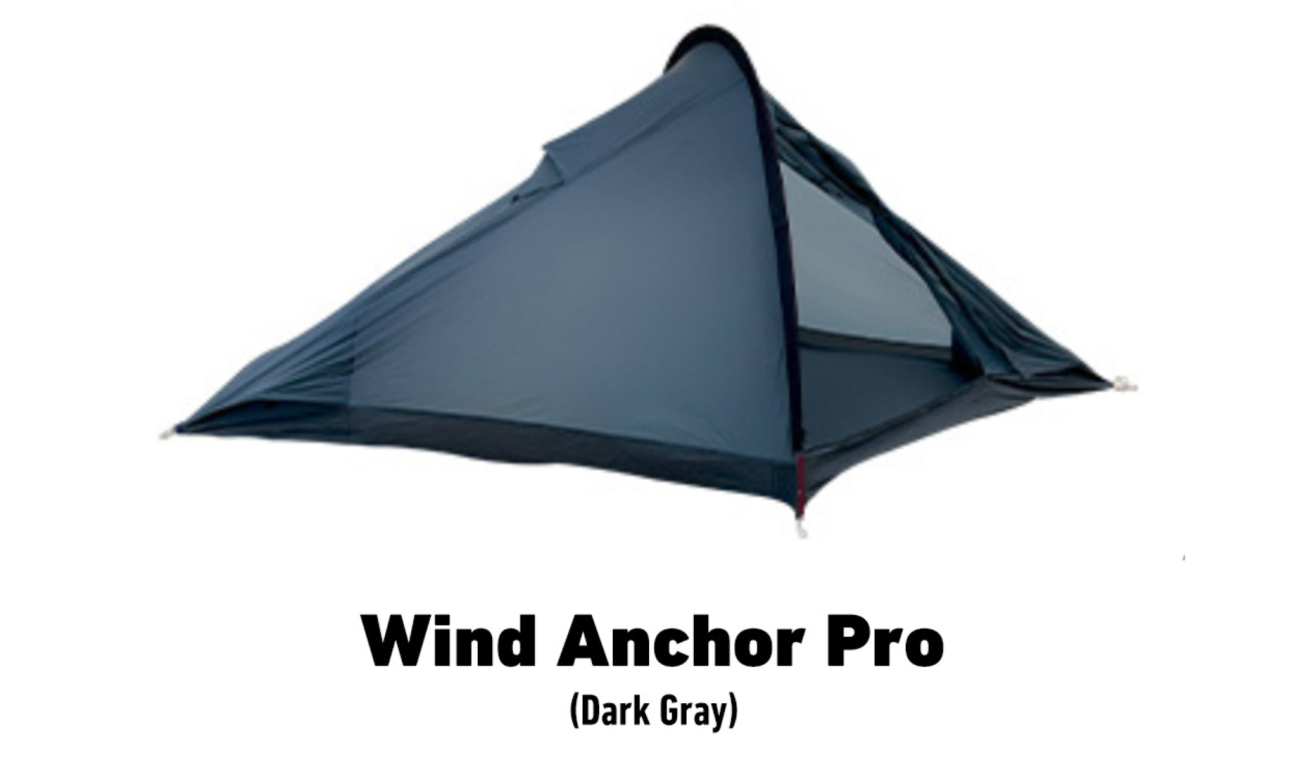
Wind'll rip at a thin fly and rain'll test every seam—ain't no mystery. Folks take a pretty, light tent up a ridge and reckon it's fine until weather turns. I tell people the same plain thing: know the weak spots, plan for the worst, and pick gear that stands up. For fancier weekenders who want comfort without nonsense, a glam camping tent can be a sensible middle ground, but the planning stays the same whether you're in a small two-person dome or a bigger setup.
Problem breakdown: common failures on the trail
Poles snap, seams leak, guylines slack, and stakes pull out of wet soil. Those are the usual betrayals that turn a night under the stars into a long morning. Weather changes fast in the hills; wind shear and sudden storms are the chief culprits. Fix the predictable failures first: reinforce attachment points, carry spare guylines, and use heavy-duty stakes that bite in rocky or soggy ground.
 Practical planning steps that actually work
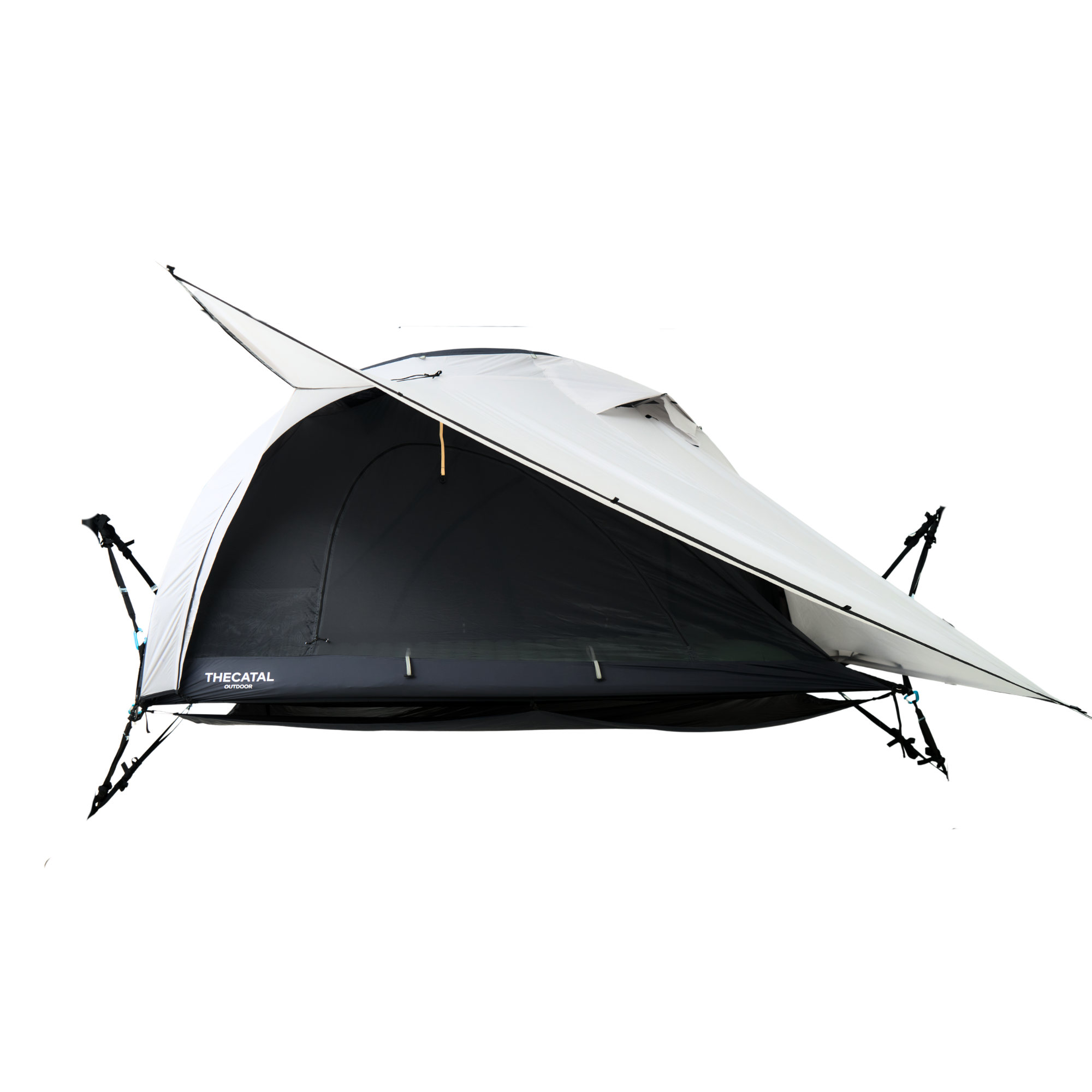
Start by checking the forecast for both low and high elevations. Put the shelter site below ridgelines when wind's the threat, and do not camp on a slope that funnels water. Pack a simple storm kit: extra guylines, a roll of repair tape, a short length of shock cord, and a durable hammer for stakes. Practice quick setups at home so you can pitch blind in rain and not waste energy. Keep tents ventilated in cold wet weather to cut condensation—open vents even when wind bites.
Real-world anchor and earned know-how
I've stood in a drenching evening at Yosemite's group campground helping a dozen people move gear and teach the simple fixes that stop a wet night from ruining a trip; one season that taught me why a roomy shelter for big groups matters. When you need a roomy option for a crowd, a 12 person camping tent can save time and reduce exposure compared with a dozen little tents—set it right, stake it well, keep the vestibules clear, and the job gets easier. Those hands-on nights, alongside guiding stints and field repairs, are why I trust practical fixes over theory.
Alternatives and trade-offs
Smaller ultralight tents save weight but demand more skill and frequent repairs; large group tents cut down on setups but add bulk and wind profile. Hard-shell options resist collapse but cost more and weigh more. Pick based on who you take: experienced scramblers can get by with lighter rigs; family or mixed-skill groups benefit from something roomy and forgiving. Whatever you choose, carry redundancy: extra stakes and a sealed seam tape will outlive a lot of fancy features.
Common mistakes to avoid
Don't pick the prettiest spot. Don't use thin stakes in soft ground. Don't cram people into a shelter so vents close up and the thing fogs from inside. And don't skip a test setup at home; half the panic on a damp ridge comes from not knowing how your tent works. Fix guylines at different heights so wind loads distribute, and tuck gear under a vestibule instead of blocking doorways.
Final reckoning
Plan like someone who's been rained on before: reinforce weak points, choose the right size for the crew, and practice emergency repairs. That plain routine turns risky nights into manageable ones. If you want gear that follows those rules without fuss, consider how a sensible provider aligns features to real needs—like a good tent designed to stand up to real weather—and how that steadiness makes group trips simpler for everyone through THECATAL.