When the Air Turns Heavy: Facing the Hidden Costs of Laser Cutter Fume Extractors
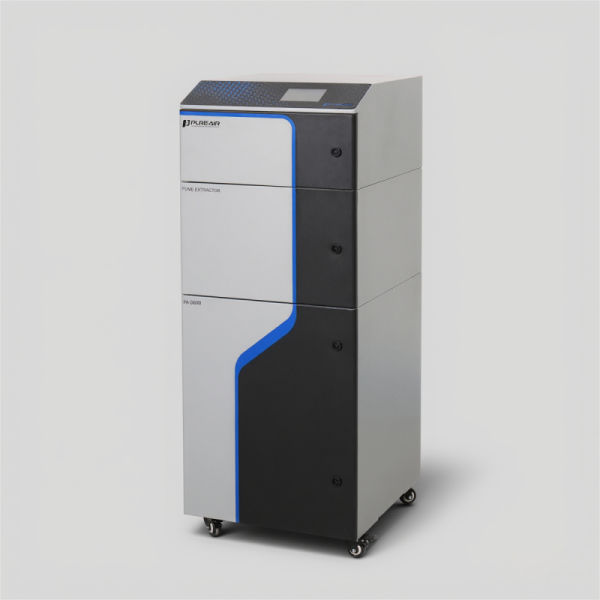
Introduction — a small shop, a quiet hum, and a stubborn smell
I was once in a studio where the light fell just right over a stack of cut metal and wood, and the machines sang their steady song. In that warm, cluttered space I watched smoke curl from a fresh cut, and I felt the silence of a problem that had been ignored for months. The second sentence here must tell it plainly: a laser cutter fume extractor sits between your work and the world, trying to keep your air clean and your team safe.
Data matters: studies show that laser-generated particulates and volatile organic compounds (VOCs) can raise indoor pollution by notable margins in enclosed shops. So I ask—are you breathing in a slow drift of risk right now? (It’s a small question, but it matters.) I’ve seen shops trade away safety for convenience, buyers choose low-price units without checking airflow rate or filtration stages, and operators shrug at a faint chemical smell. This is not alarmism. It’s the start of a story about choices, equipment, and care—so let’s look under the hood and see what’s really going on next.
Unpacking the Fault Lines: Why Traditional Extractors Fall Short
industrial laser cutter fume extractor units are the backbone of many workshops, but the old guard has flaws that sneak up on you. I’ll be direct: older systems often rely on undersized extractor fans, single-stage filtration, and ductwork that chokes under load. These weaknesses let microscopic particulate matter and VOCs slip past filters or recirculate in the space. That’s where the trouble starts—your HEPA filter might be rated well, but if the airflow rate is poor, it won’t capture what it should.
Why do those systems fail?
Technically speaking, several failure modes repeat themselves. Inadequate capture velocity near the laser nozzle means plume escape. Filters loaded with resin and soot lose efficiency fast. Activated carbon beds saturate, yet no alarm tells you they are spent. And—funny how that works, right?—maintenance schedules are often aspirational rather than practical. I’ve seen businesses treat complex filters like disposable napkins.
Look, it’s simpler than you think: inexpensive units skip multi-stage filtration and lack VOC sensors or real-time pressure monitoring. They might claim high cubic feet per minute (CFM) but ignore static pressure in long ducts. The result? A unit that runs loud, underperforms, and becomes a background annoyance rather than a safety device. I care about practical fixes. We can talk about replacing a clogged pre-filter or adding a monitor that alerts before things go critical. The fix starts with admitting the old system’s limits—and planning for measurement, not myth.
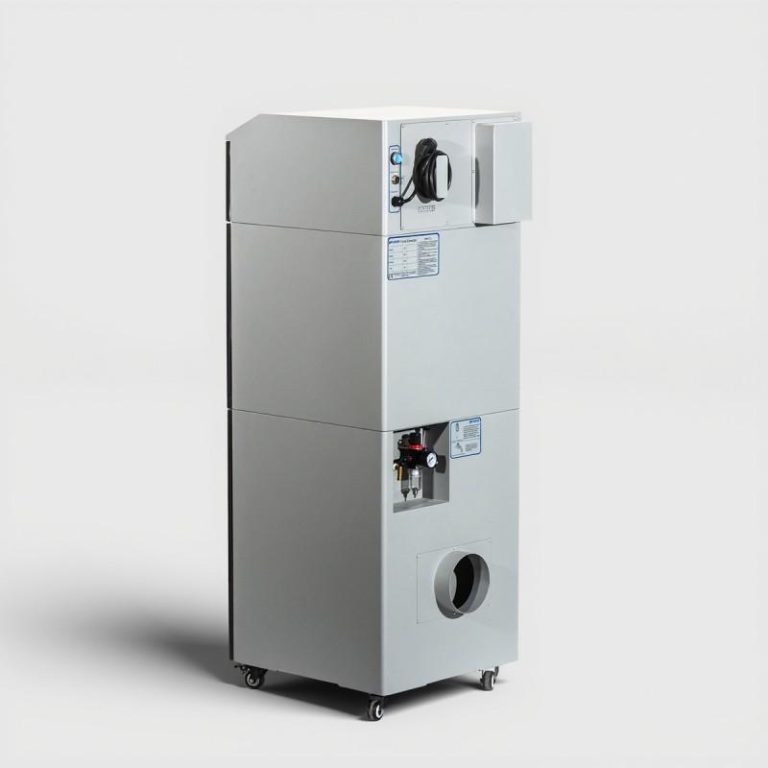 What’s Next — new principles and a clearer path forward
As we look ahead, I prefer to talk solutions, not slogans. New systems aim to pair smarter sensors with layered filtration: a primary particulate trap, a HEPA stage, and an activated carbon bed for gases. Some designs add VOC sensors and differential pressure gauges to tell you when filters need change. I want to underscore the point—an industrial laser cutter fume extractor that communicates is worth the extra up-front attention.
Case in point: a small fabrication shop I worked with swapped their decade-old unit for a modular extractor with a variable-speed fan and a built-in VOC monitor. Within weeks they noticed less residue on ventilation grills, operators reported fewer headaches, and filter changes became predictable. The investment paid back through cleaner work and fewer sick days. This is a practical future—sensors, better airflow management, and serviceable filter modules. Not flashy, but effective.
Real-world Impact?
Yes. Improved air quality translates to better product finish, lower worker turnover, and tangible health benefits. You don’t get safe air from wishful thinking. You get it from matched components: correct fan sizing, clear capture hood design, proper ducting, and multi-stage filtration. I’ve watched marginal gains add up into meaningful change—small steps that protect people and parts. — and that’s what matters at the end of a long shift.
To close, let me leave three practical metrics I use when advising teams: capture velocity at the nozzle, total system airflow (CFM) under static load, and filter life measured by differential pressure or VOC trend. Evaluate those, and you move from guesswork to evidence. I hope my experience helps you choose with care. For guidance and equipment that balance durability and design, consider looking into trusted providers like PURE-AIR.