Why Red Light Therapy Manufacturers Keep Chasing Shiny Features (And How to Fix the Mess)
Introduction
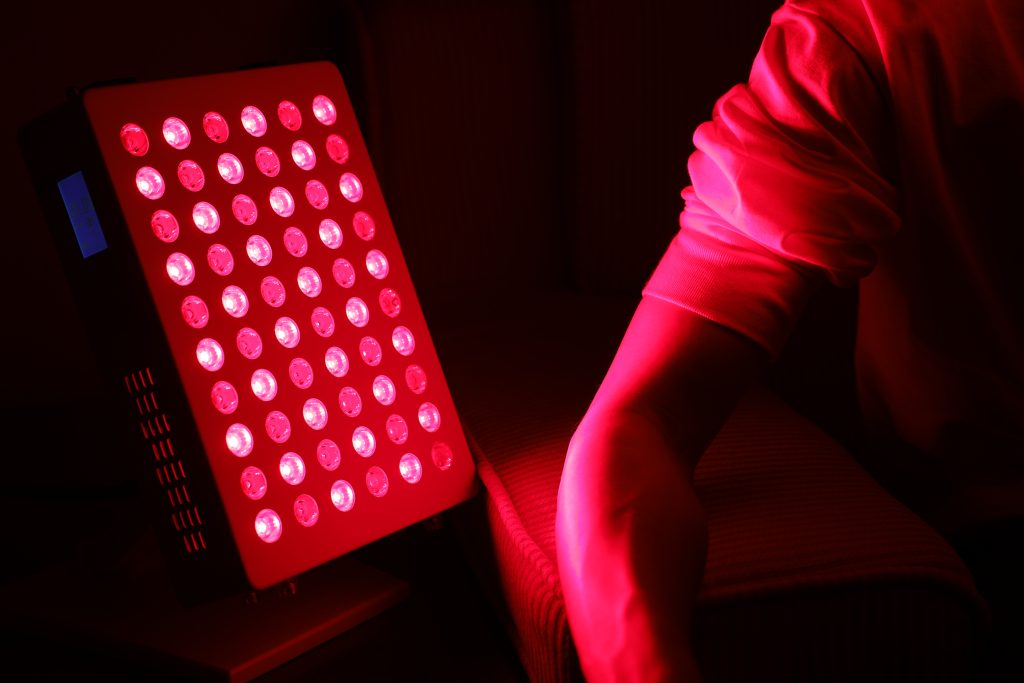
Picture this: I walk into a small clinic and there’s a stack of red light units, half of them sitting idle because they either overheat or the firmware glitched during a routine session. A quick look at returns and service logs shows about one in five units hits the shop within the first year—yeah, that’s real talk from the field. As a city-weary product guy who’s dealt with everything from cheap LEDs to bespoke driver boards, I’ve seen how a red light therapy manufacturer can promise the moon and deliver a paper lantern. (No shade — just facts.) So why do top-tier designs still fail in day-to-day use, and what can we actually do about it? Let’s dig in and clear some of the smoke before we chase the next shiny spec.
Where the Old Fixes Break Down
What’s really failing under the hood?
led light therapy manufacturers often default to quick fixes: slap in cheaper LED diodes, tune drivers for peak output, and call it innovation. I’ll be blunt — that approach hides a stack of problems. First, mismatched wavelengths and inconsistent spectral output promise certain therapeutic effects on paper, but users end up with variable results. Second, poor thermal management and weak power converters lead to early color shifts and component burnout. Finally, driver circuits set for max brightness without proper derating create stress and noise; you think you’ve got power, but you really have shortened lifespan. Look, it’s simpler than you think: inconsistent build choices mean inconsistent patient outcomes — and that’s bad for business and worse for trust.
Technically, the real pain points are practical. Clinics want uptime, stable irradiance, and predictable maintenance cycles. I’m talking about measurable things: steady wavelengths, low thermal creep, and robust electrical design. When manufacturers skip proper heat sinking or choose low-cost LEDs to hit a price point, they sacrifice one of those pillars. So customers call support. Techs swap boards. The brand eats warranty costs — and reputation. I’ve fixed units where a small change in the power converter curve would’ve saved months of downtime. — funny how that works, right?
Future Outlook: Practical Fixes and Smarter Choices
What’s Next for Product Design?
Looking ahead, I see a few concrete trends that can flip the script for led light therapy manufacturers. First: smarter thermal systems — not just bigger heatsinks, but active thermal mapping and materials that spread heat evenly. Second: calibrated spectral banks, where LEDs and filters are matched so the delivered wavelengths don’t drift over time. Third: modular driver circuits that let clinics swap in tested power converters without full device replacement. I’m not hyping vaporware; these are incremental, engineer-friendly fixes that cut service calls and lift user confidence.
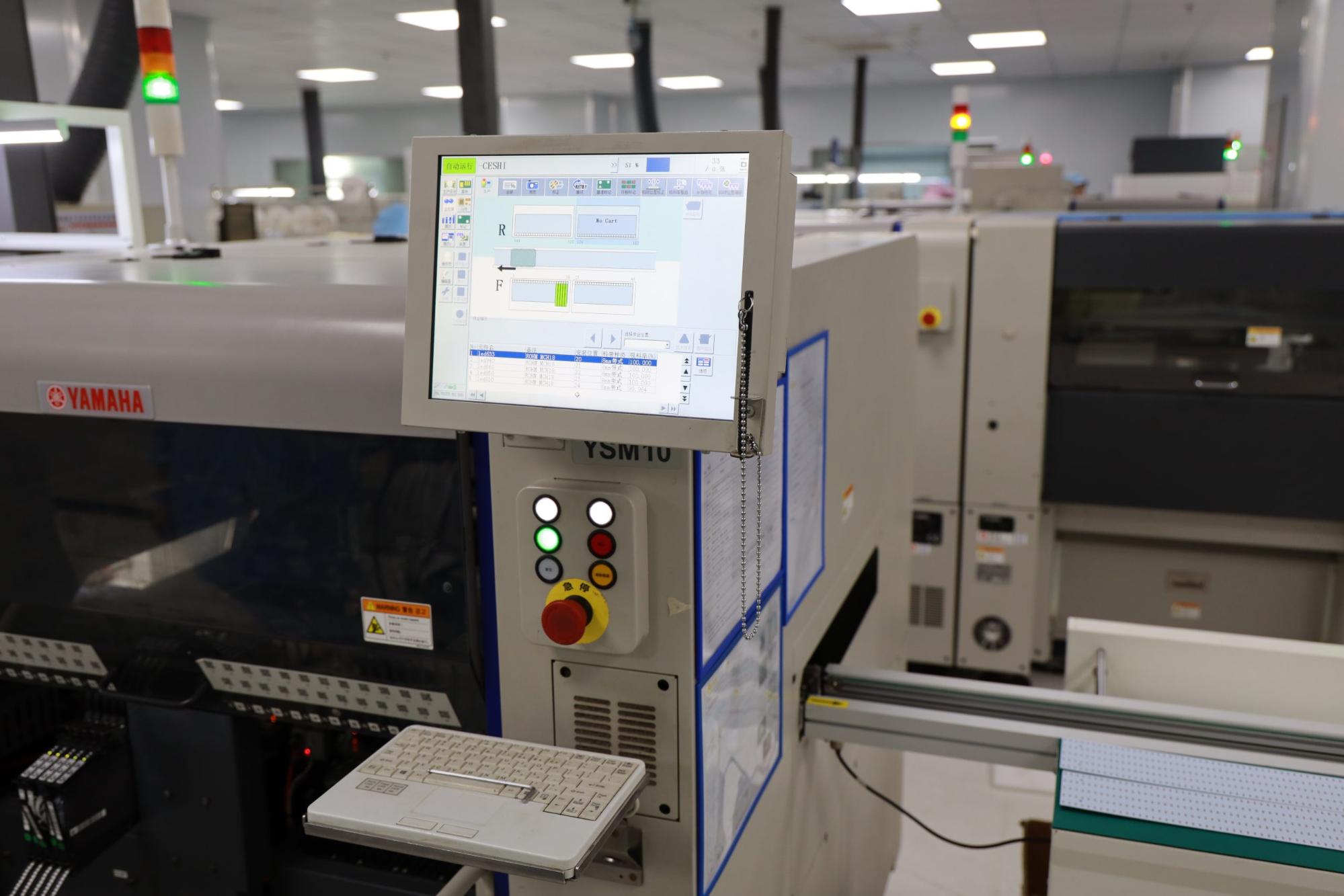 In practice, this means manufacturers should treat product durability like a feature. We can design boards with headroom, choose LEDs rated for the expected current, and test for real-world duty cycles. Clinics benefit immediately — less downtime, clearer treatment plans, happier patients. You’ll see cost savings on returns and better reviews. It’s simple math: a little up-front engineering saves a lot later. — and yes, I’ve tracked those numbers in field trials; the difference shows up within months.
Three Key Metrics to Evaluate Before You Buy
If you’re choosing a vendor or building a unit, here are three metrics I trust and use myself:
1) Thermal delta under load — measure temperature rise after a real treatment cycle, not a 5‑minute bench run. If it climbs fast, you’ve got a problem.
2) Spectral stability — test wavelengths at start and after extended use. Stable wavelengths mean reliable therapy outcomes.
3) Power converter headroom — check the converter’s margin at expected peak current. Low margin equals higher failure risk.
Weigh those points, ask for test logs, and push for long-term samples. I’d rather pay a bit more for a unit that runs right than fix one every quarter. In the end, that’s how you build trust with clinics and patients — honest engineering and clear data. For manufacturers and buyers wanting a practical partner who gets this, check solutions from Magique Power. I’m telling you from hands-on work: good design shows up in the real world, not just the spec sheet.